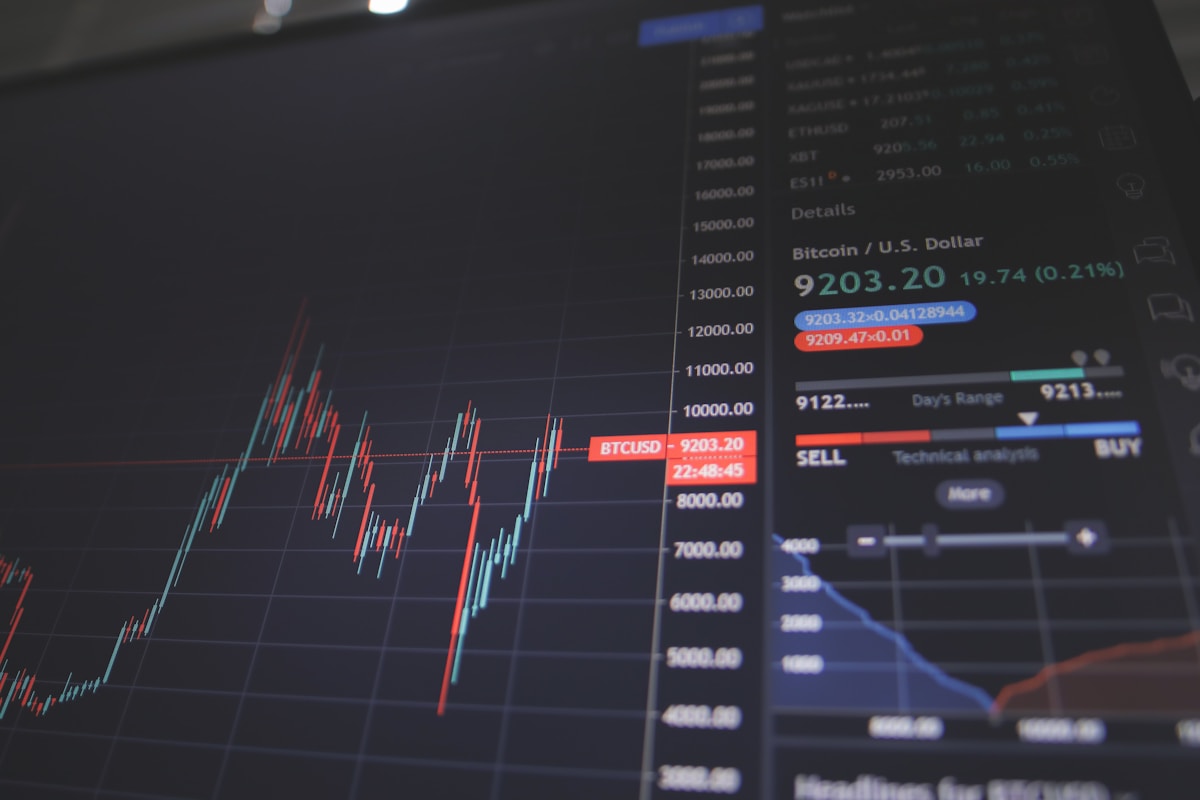
Drawdown is the decline in an account or portfolio’s value from a peak to a subsequent low, measured before a new peak is reached. It is usually expressed as a percentage of the peak value.
Why it matters
Returns alone do not tell you how bumpy the path to those returns was. Two accounts can post the same result over a year while one of them never lost more than a small fraction of its value along the way, and the other lost far more before recovering. Drawdown is what captures that difference.
It also matters psychologically. A large drawdown is harder to sit through than the numbers alone suggest, and it is a common point where traders abandon a strategy right before it recovers.
Maximum drawdown
Maximum drawdown refers to the largest peak-to-trough decline over a given period. It is one of the most commonly cited risk metrics because it answers a direct question: at the worst point, how much of the account was actually underwater.
Recovery
The percentage gain needed to recover from a drawdown grows faster than the drawdown itself. A moderate decline requires a proportionally larger gain just to return to the previous peak, which is one of the main reasons risk management focuses on limiting the size of losses rather than only on maximizing gains.