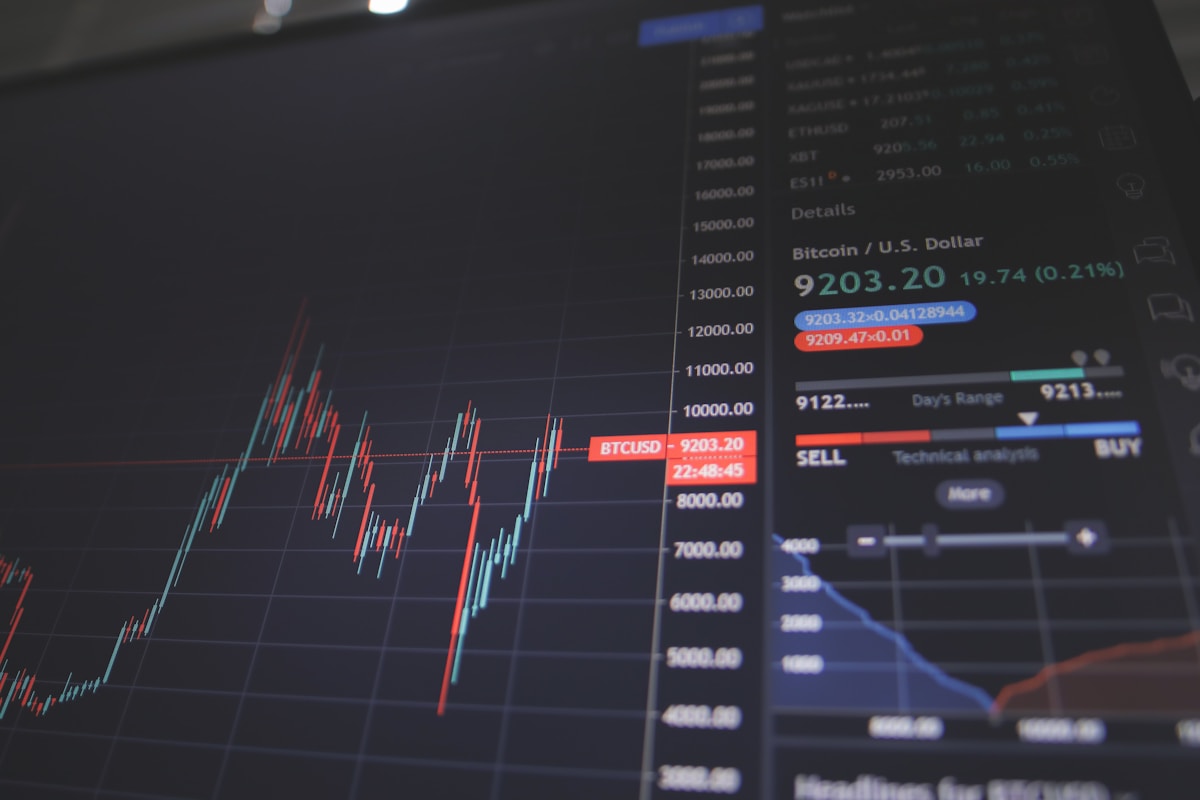
There is a specific feeling that shows up right after a losing trade closes: the urge to immediately get back in and make it right. It feels like conviction. It is usually something else entirely.
What is actually happening
A loss is not just a number on your account. It registers as a small threat, and the instinct that follows is to neutralize that threat as quickly as possible. The next trade stops being evaluated on its own merits and starts being evaluated on whether it can undo what just happened.
This is why revenge trades so often look different from your normal setups. The position might be larger than usual, entered with less confirmation, or taken in a symbol you do not normally trade. None of that registers in the moment, because the goal has quietly shifted from “find a good trade” to “feel okay again.”
Why urgency is the tell
Genuine setups do not usually come with a sense of urgency attached to your last trade’s outcome. A setup that was worth taking five minutes before your loss is still worth taking five minutes after it, on its own terms. If the trade you are about to take only makes sense because of what just happened, that is worth noticing before you click the button.
The feeling of urgency itself is useful information. It is not a reason to act faster. It is a signal that your decision making is currently being driven by the last outcome rather than the current setup.
A simple interruption
One of the more effective tools here is not psychological at all: a short, fixed cooldown period after any loss past a certain size, before a new position can be opened. It does not need to be long. Even a few minutes away from the screen is often enough to let the initial reaction pass and let you evaluate the next trade on its own terms.
The point is not to eliminate the feeling. It is to build a small amount of friction between the feeling and the action, so the trade that follows a loss is chosen deliberately rather than reflexively.
